In the Religious Education Directory, the curriculum is divided into different ‘branches’ that show the key areas of learning.
The sacramental life is taught within and across branches. Pupils encounter scripture and what the Church teaches about scripture and what this means for a life lived in Christ as part of the Catholic faith. The spiral structure of the curriculum enables a build-up, layering a critical dimension each year, deepening pupils’ understanding of the story of salvation, developing a common language, and exploring the ‘memory of the Church’ and her teachings and how these have formed part of the history of ideas in the development of humanity. The structure invites teachers to expose students to the beauty of Catholic Christianity and its shaping influence on culture through art, music, literature, science, and architecture historically and to the present day, which equips young people to dialogue with the beliefs and vision of the Church beyond intellectual remits and exposing them to the transcendent, a powerful pedagogy. The spiral pathway students follow from their first steps into Catholic education means that teachers can plan for progression, moving through basic questioning and notional understandings to ever deeper levels of engagement with Christianity’s divine and human drama and its significance for humankind.
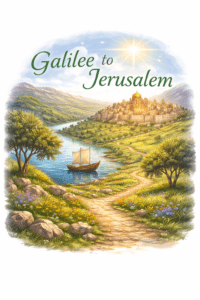 Galilee to Jerusalem
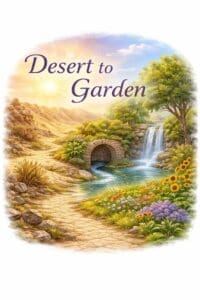 Desert to Garden
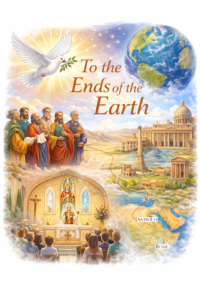 To the Ends of the Earth
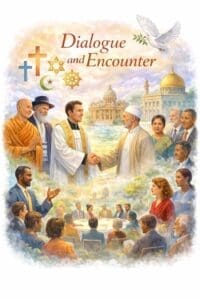 Dialogue and Encounter